Professional Fish Finder for Sale for Deep Water
Finding Fishing Hotspots: How to Use Your Fish Finder to Locate the Best Areas
A quality fish finder has the power to revolutionize a fisherman's trip. By accurately locating fish and identifying underwater structures, it enhances the fishing experience. Knowing how to read sonar data and make use of GPS capabilities is essential. Yet, many still overlook the subtleties that can lead to success. The journey toward mastering these tools and uncovering the best fishing hotspots starts with a few essential strategies. What are the most important factors to consider?
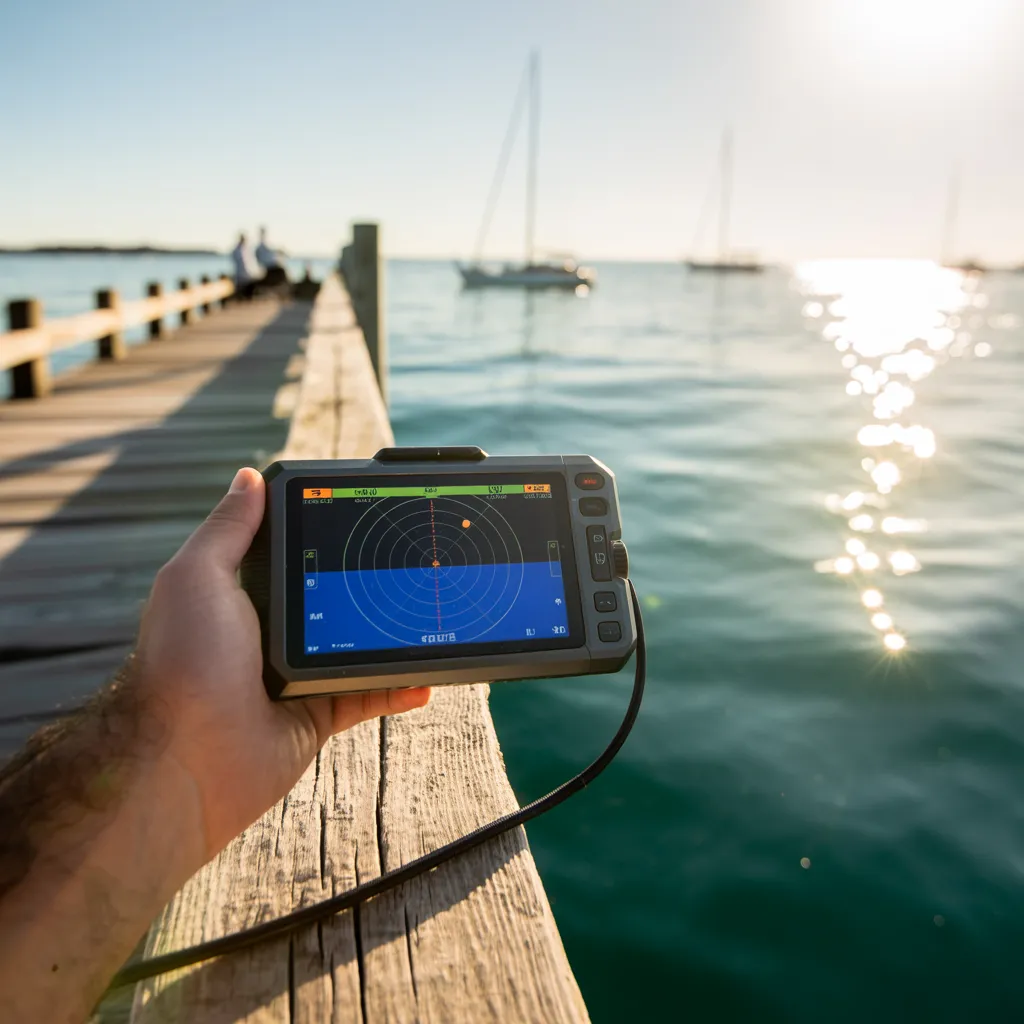
The Reasons a Fish Finder Is Vital for Every Angler
A large number of fishermen discover that using a fish finder significantly improves their fishing experience. This technology allows them to locate underwater structures, depth shifts, and fish populations, significantly improving their chances of landing a catch. By offering live data, fish finders allow anglers to effectively navigate different water bodies, identifying hotspots that would otherwise go unnoticed.
Furthermore, fish finders often come equipped with features such as GPS mapping, which helps anglers keep track of fruitful areas for later excursions. The option to observe the subsurface landscape assists in determining fish movements and feeding routines, enabling fishermen to more effectively select appropriate baits and techniques.
In essence, a fish finder changes fishing from pure chance into a methodical activity, arming anglers with the necessary tools to make educated choices. Therefore, it is a valuable investment for both beginner and experienced fishermen regardless of experience, elevating overall pleasure and performance on the water.
Learning the Core Concepts of Fish Finders
Although fish finders might appear complicated initially, grasping their fundamental components and capabilities is essential for getting the most out helpful guide of them. At their foundation, a fish finder is composed of a transducer, that sends sonar waves beneath the water's surface, and a screen unit that processes the incoming signals. The transducer sends out sound waves that bounce off objects underwater, including fish, structure, and the seabed.
The signals travel back to the transducer, providing data that is displayed visually on the screen. This helps anglers pinpoint fish locations, water depth, and underwater landscapes. The precision of this data relies on elements such as the sonar wave frequency and the caliber of the equipment. Moreover, learning how to analyze the presented data plays a key role in productive fishing. Knowledge of these fundamental components allows fishermen to make well-informed choices, improving their fishing results and overall success.
Essential Features of a Fish Finder
Understanding the core parts of fish finders establishes the foundation for identifying their critical characteristics. Central to these instruments is the sonar mechanism, which utilizes sound waves to locate objects beneath the surface, including fish and structures. The visual display is an additional critical component, providing visual representation of the sonar information, frequently including configurable options for clarity and detail.
Transducer units, responsible for emitting and capturing acoustic signals, range in frequency and cone angle, impacting detection capabilities and coverage area. GPS technology enhances functionality by permitting anglers to save and return to particular fishing locations. Furthermore, functions like chart mapping and depth alerts support an enhanced fishing experience.
In the end, integrating these features helps anglers to identify and target fish more efficiently, improving their likelihood of a productive fishing trip. Recognizing these critical factors enables users to make educated decisions when picking a fish finder.
How to Adjust Your Fish Finder Settings
Adjusting fish finder settings can significantly improve an fishing enthusiast's ability to find fish and submerged structures. To accomplish this, anglers should first focus on adjusting the sensitivity. Higher sensitivity can display more information, while decreased sensitivity cuts down on noise. Furthermore, the frequency configuration is critical; higher frequencies provide better detail in shallow waters, whereas lower frequencies cover greater depths.
Adjusting the transducer cone angle plays a significant role as well. A broader cone angle allows for a broader view, but might reduce precision, while a narrower angle provides greater detail in targeted areas.
Additionally, alternating between display modes, such as down imaging or side imaging, can aid in viewing underwater landscapes with improved clarity. As a final step, periodically calibrating the fish-finding device guarantees peak performance. By precisely adjusting these parameters, fishermen can considerably boost their ability to locate fish and improving their overall fishing experience.
Understanding Fish Finder Readings
Deciphering fish finder readings requires a firm knowledge of sonar technology, as it is the backbone of these instruments. Spotting fish symbols and grasping depth indicators are vital for successful fishing techniques. This knowledge empowers anglers to reach informed decisions about the best locations to cast.
Understanding Sonar Technology
As fishing enthusiasts navigate the world of fish finders, understanding the fundamentals of sonar technology becomes essential for successful fishing trips. Sonar, an acronym for Sound Navigation and Ranging, employs sound waves to detect objects underwater. Fish-finding devices produce sound signals that travel through water, reflecting off objects like fish, rocks, and the seabed. The device then processes these echoes, displaying them as visual data on a screen. Understanding the difference between traditional 2D sonar and advanced CHIRP sonar systems can enhance an angler's ability to locating fish more effectively. By assessing the depth, size, and density of these echoes, anglers can more effectively plan their fishing efforts, leading to a more fruitful experience on the water.
Understanding Fish Symbols
How can anglers effectively identify fish symbols on their fish finders? Grasping the multiple indicators on the screen is vital for achieving fishing success. Fish finders commonly represent fish through symbols or icons, usually taking the form of arcs or fish outlines, which point to fish activity in the water column. Anglers should be aware that these symbols vary based on the model and settings of the fish finder. The scale and shade of the symbols can deliver extra details; symbols of greater size may point to fish of larger proportions. Furthermore, being able to tell the difference between baitfish and game fish is essential. By interpreting these symbols accurately, anglers can enhance their chances of targeting the right species in their preferred fishing hotspots.
Depth Reading Indicators
Interpreting fish icons on a fish finder establishes a solid foundation for interpreting depth indicators. These displays show the underwater environment and water column, vital for finding fish. Depth readings generally display in meters or feet, allowing anglers to gauge how deep they are casting. A steady depth can indicate suitable fishing grounds, while abrupt shifts may indicate underwater structures, such as drop-offs or submerged rocks, that bring in fish. Anglers should also take note of the intensity and color of the signals; brighter colors often signify denser objects, like fish clusters. Understanding these patterns helps anglers to determine strategically about the best casting locations, increasing their probability of fishing success.
Locating Hotspots Using Your Fish Finder
Whereas numerous anglers trust their instincts and experience to discover fish, utilizing a fish finder can greatly enhance their ability to identify hotspots. A fish finder uses sonar technology to detect underwater structures, schools of fish, and variations in depth, making it an invaluable tool for pinpointing productive fishing areas.
To efficiently identify prime fishing spots, anglers should pay attention to features such as submerged rocks, drop-offs, and aquatic vegetation, which commonly serve as gathering points for fish. The fish finder's screen will reveal these structural elements, enabling anglers to direct their attention where fish are prone to schooling together.
Additionally, examining water clarity and temperature can further refine the identification of hotspots. Various species thrive under particular conditions, and a fish finder can uncover these nuances. By blending modern technological data with time-tested fishing expertise, fishing enthusiasts can significantly enhance their success rate and get the most out of every fishing trip.
Frequently Asked Questions
Can I Use a Fish Finder From Shore or Only on a Boat?
A fish finder can be used from shore, but the results it delivers vary based on the unit and conditions. Numerous shoreline fishermen discover that portable devices are helpful for surveying adjacent waters, improving their overall fishing performance and outcomes.
How Do Weather Conditions Affect Fish Finder Performance?
Environmental weather patterns greatly impact fish finder functionality. Temperature fluctuations, heavy rain, or powerful winds may disrupt signal precision and reliability, affecting how well the device detects fish activity and underwater structures across different environments.
What Types of Fish Are Most Commonly Detected by Fish Finders?
Fish finders commonly detect fish such as trout, bass, and catfish. These devices utilize sonar technology to locate fish, providing anglers with valuable insights into aquatic populations and increasing their odds of catching fish.
Do Mobile Apps Exist That Work Alongside Traditional Fish Finders?
Yes, a variety of mobile applications work alongside standard fish finding devices by supplying real-time data, map functions, and user insights. These apps enhance the angling experience, enabling fishermen to identify key locations and track conditions more effectively.
How Often Should I Update My Fish Finder Software?
Professionals suggest refreshing fish finder programs no less than once per year or as soon as a new version is launched. Regular updates enhance functionality, enhance precision, and guarantee compatibility with advancing technology, ultimately optimizing the fishing experience for users.